The sound of metal is not just a story about hearing loss; it is a study of identity collapse and reconstruction under extreme conditions. This film positions sound, silence, and perception as active forces shaping human behavior, not background elements.
In this sound of metal review, the central focus remains on how a musician’s world disintegrates when auditory control disappears, and how that disruption forces a confrontation with dependency, routine, and self-definition.
Core Narrative Structure and Character Arc
Ruben Stone exists within a tightly controlled environment built around rhythm, performance, and addiction recovery. His life is structured, predictable, and anchored in routine.
When hearing loss begins, that structure breaks instantly.
Identity Dependency on Sound
Ruben’s identity is directly tied to:
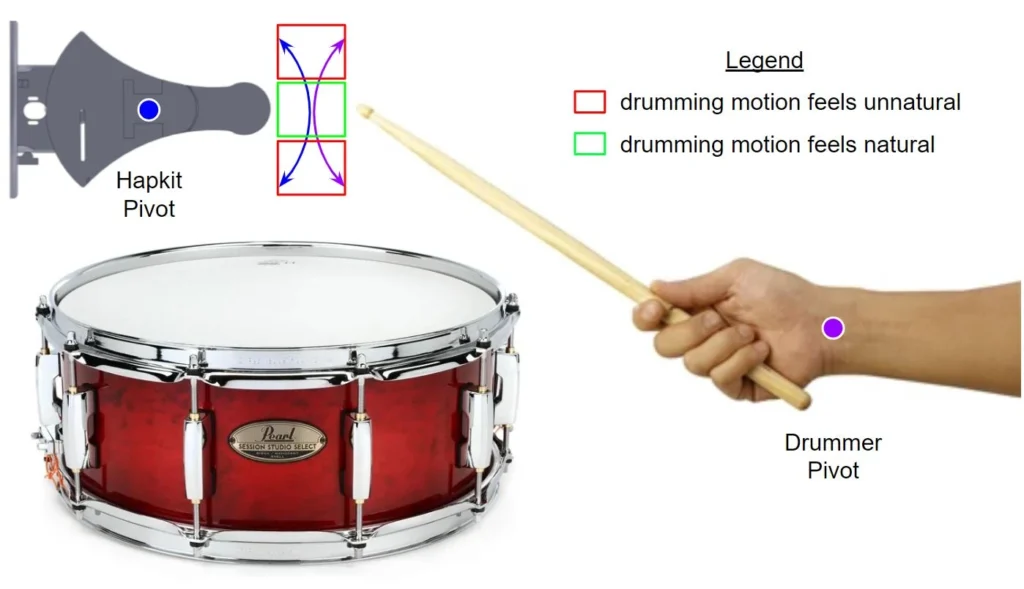
• live performance environments
• physical feedback from drums
• communication through sound
Without these elements, his sense of self becomes unstable. The sound of metal constructs this dependency early, making the collapse inevitable rather than surprising.
Transition from Control to Instability
The shift is not gradual. Hearing loss occurs rapidly, forcing Ruben into immediate adaptation. This abrupt transition introduces tension between acceptance and resistance.
Role of Lou as a Stabilizing Entity
Lou functions as:
• emotional anchor
• creative partner
• representation of Ruben’s previous life
Her presence reinforces what is being lost rather than what can be rebuilt.
Realism and Docudrama Execution
The sound of metal relies heavily on realism. Every element is grounded in physical authenticity rather than stylized dramatization.
Live Performance Integration
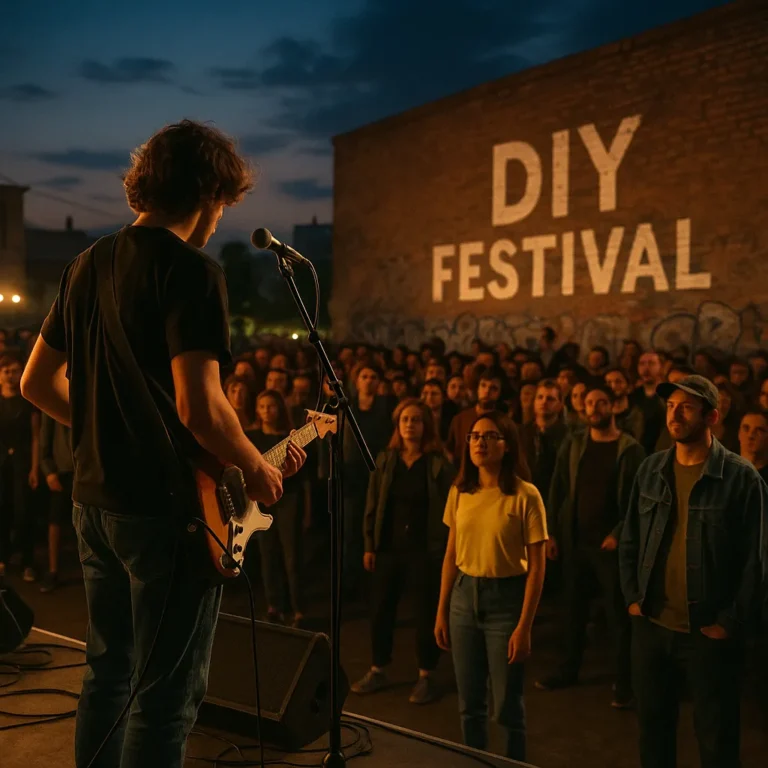
Concert scenes are filmed with real crowds, producing:
• uncontrolled ambient noise
• physical vibration realism
• authentic performance fatigue
This approach reinforces immersion and eliminates artificial staging.
Environmental Authenticity
The RV, rehearsal spaces, and retreat environment operate as functional systems, not decorative settings. Each space reflects Ruben’s psychological state.
Behavioral Accuracy in Recovery Context
Ruben’s addiction background is not a subplot. It is a structural element that shapes:
• his reaction to hearing loss
• his resistance to change
• his need for control
Deaf Community as Structural Framework
The introduction of the deaf community shifts the narrative from loss to adaptation.
Joe as Authority Figure
Joe represents a system built on:
• acceptance rather than correction
• structured discipline
• community accountability
His philosophy rejects the idea that deafness requires fixing.
Community Rules and Mechanisms
The retreat operates under clear principles:
- No external dependency
- Focus on presence
- Development of non-auditory communication
These rules redefine what “normal” means within the system.
American Sign Language as Transformation Tool
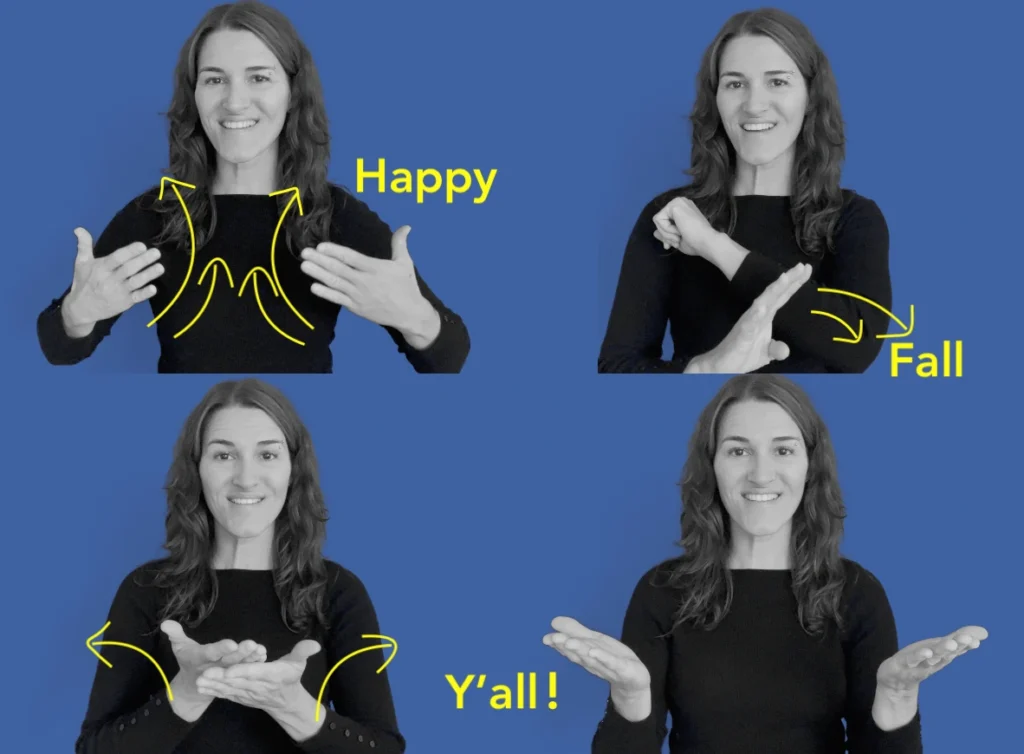
ASL is not presented as a substitute for speech. It functions as:
• a full-body communication system
• an emotional expression mechanism
• a cognitive restructuring tool
Ruben’s adoption of ASL reflects a shift in perception rather than simple skill acquisition.
Sound Design as Narrative Engine

In the sound of metal, sound design is not supportive—it is central.
Subjective Audio Perspective
The film frequently shifts into Ruben’s auditory perception:
• muffled frequencies
• distorted tones
• sudden silence
This creates direct alignment between viewer and character experience.
Physical vs Auditory Sensation
Even without hearing, Ruben experiences:
• vibrations from drums
• environmental movement
• tactile feedback
This reinforces that sound is not limited to hearing alone.
Cochlear Implant Distortion
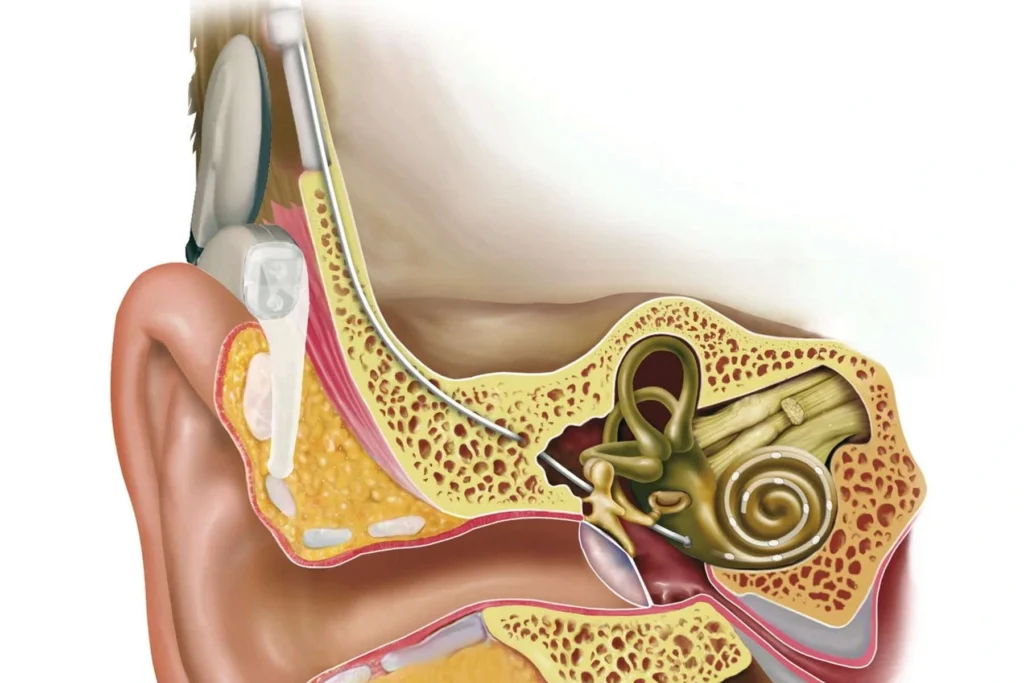
When implants are introduced, sound becomes:
• metallic
• fragmented
• unnatural
This design choice reflects internal conflict rather than technological failure.
Addiction Parallel and Behavioral Patterns
Hearing loss is structured similarly to addiction relapse patterns.
Loss of Control as Trigger
Ruben’s reaction follows a predictable sequence:
- denial
- urgency
- fixation on solution
This mirrors substance dependency cycles.
Obsession with Restoration
Instead of adapting, Ruben becomes focused on:
• surgical intervention
• returning to previous identity
• rejecting current reality
This fixation delays integration into the new system.
Internal Conflict Between Systems
Two systems exist simultaneously:
• acceptance-based community (Joe)
• restoration-driven mindset (Ruben)
The tension between these systems drives the narrative forward.
Visual and Structural Accessibility
Accessibility is embedded into the film’s design rather than added later.
Open Captions Integration
The film includes:
• permanent subtitles
• synchronized communication cues
• equal access for deaf and hearing audiences
This removes hierarchy between audience groups.
Shared Viewing Experience
Both deaf and hearing viewers process the film through:
• visual language
• contextual cues
• environmental interaction
The sound of metal eliminates the idea of a “default” audience.
Communication Without Sound
Scenes rely on:
• eye contact
• gesture
• spatial positioning
These elements replace traditional dialogue-driven storytelling.
Interplay Between Technology and Identity
Technology is presented as a conflicting force rather than a solution.
Cochlear Implants as Disruption
Instead of restoring normality, implants introduce:
• sensory overload
• unnatural audio signals
• psychological discomfort
Decision-Making Under Pressure
Ruben’s choice to pursue implants is driven by:
• urgency
• fear of loss
• inability to accept new identity
Technology vs Adaptation Model
Two opposing frameworks emerge:
• technological correction
• behavioral adaptation
The film positions these as incompatible paths rather than complementary options.
The tension between these frameworks intensifies as Ruben moves further away from the structured environment that initially offered stability, setting up a deeper exploration of identity, perception, and irreversible change.
Performance Analysis: Riz Ahmed as Ruben Stone

Riz Ahmed anchors the sound of metal through a performance built on physical discipline rather than verbal intensity. His portrayal evolves in parallel with Ruben’s sensory transformation, shifting emphasis from speech to movement and controlled expression.
Physical Preparation and Authentic Execution
Ahmed trained extensively in:
• live drumming under performance conditions
• American Sign Language fluency
• non-verbal interaction patterns within deaf culture
This preparation results in precise coordination between body movement and emotional state. Timing, posture, and gesture replace traditional dialogue delivery.
Expression Through Constraint
As spoken language becomes limited, emotional clarity increases through:
• controlled facial tension
• deliberate pauses
• restrained physical reactions
Silence does not reduce intensity; it refines it.
Layered Internal Conflict
The performance sustains tension between opposing drives:
• restoration of previous identity
• acceptance of irreversible change
This conflict remains visible even in stillness, maintaining continuity across scenes.
Olivia Cooke and Relationship Deconstruction
Lou functions as a parallel axis to Ruben’s journey. Her role is not to resolve conflict but to reflect divergence.
Emotional Separation as Adaptive Response
As Ruben destabilizes, Lou moves toward:
• emotional distancing
• independent decision-making
• detachment from shared routines
This shift prevents the relationship from reinforcing dependency.
Divergence of Identity Paths
Their trajectories split clearly:
• Ruben pursues recovery of his former self
• Lou adapts to a different future
The relationship no longer operates as a shared system.
Relationship as Structural Marker
Lou represents:
• Ruben’s previous identity
• the life built around sound and performance
• a reference point that cannot be restored
Direction and Narrative Precision
Darius Marder structures the sound of metal with strict narrative control, prioritizing experiential immersion over plot expansion.
Minimal Narrative Interference
The film avoids:
• explanatory exposition
• external dramatic escalation
• artificial pacing devices
Focus remains on behavioral observation and internal change.
Temporal Realism
Scenes unfold with:
• uninterrupted interaction
• extended silence
• real-time progression
This pacing reinforces authenticity and prevents narrative manipulation.
Development Context and Creative Continuity
The film’s structure is influenced by:
• an earlier unfinished project centered on hearing loss
• collaboration between filmmakers and musicians
• direct connection to deaf experience within the creative team
These elements contribute to a grounded and consistent narrative system.
Comparative Position Within Sensory Cinema
The sound of metal aligns with films that explore altered perception rather than conventional storytelling.
Sensory-Based Narrative Models
These films prioritize:
• subjective experience over external action
• perception shifts as narrative drivers
• internal transformation as primary conflict
Representation of Closed Communities
The deaf community is presented as:
• self-regulated
• linguistically distinct
• structurally independent
This removes external interpretation and centers internal logic.
Accessibility as Structural Standard
Accessibility elements are integrated into the film’s design, not added as optional features. This establishes a unified viewing framework.
Structured Attribute Breakdown
| Attribute | Mechanism | Narrative Impact |
| Hearing | Progressive loss and distortion | Initiates identity disruption |
| Sound | Subjective audio perspective | Aligns viewer with protagonist |
| Communication | Use of ASL | Reconstructs interaction system |
| Community | Rule-based deaf environment | Offers alternative identity model |
| Technology | Cochlear implants | Intensifies internal conflict |
| Addiction Patterns | Behavioral repetition | Mirrors response to hearing loss |
| Space | RV, stage, retreat | Reflects psychological states |
| Relationship | Connection with Lou | Marks irreversible change |
Audience Perception and Sensory Impact
The sound of metal alters how perception is processed during viewing. The audience is required to adapt alongside the protagonist.
Sensory Reorientation
Viewers experience:
• reduced reliance on dialogue
• increased focus on visual cues
• discomfort from distorted audio layers
This reorientation mirrors Ruben’s adaptation process.
Engagement Without Conventional Tools
The film minimizes:
• background scoring
• explanatory dialogue
• conventional emotional cues
Engagement emerges through observation and interpretation.
Unified Viewing Experience
Through captions and visual storytelling, the film creates:
• equal accessibility for deaf and hearing audiences
• consistent narrative comprehension
• shared interpretive space
Final Perspective on Identity and Transformation

The sound of metal reframes silence as a structured environment rather than absence. Ruben’s journey is defined by the inability to return to a previous identity, forcing engagement with a new system of meaning.
Sound transitions from dominance to irrelevance, while silence becomes stable and interpretable. The final state is not recovery but recalibration, where perception no longer depends on restoration but on adaptation to a different sensory framework.