The coachella lineup for 2026 continues the festival’s pattern of combining global headliners, legacy acts, and emerging performers into a multi-layered program. From mainstream pop to underground electronic scenes, the structure of the event reflects both audience demand and industry momentum.
This coachella lineup 2025 successor expands on previous editions by refining stage distribution, increasing artist diversity, and maintaining a dual-weekend format that introduces variation between performances and audience flow.
Headliners and Top-Tier Acts
The top layer of the coachella lineup defines audience expectations and ticket demand. Headliners are positioned as anchors for each festival day.
Main Headliners for 2026
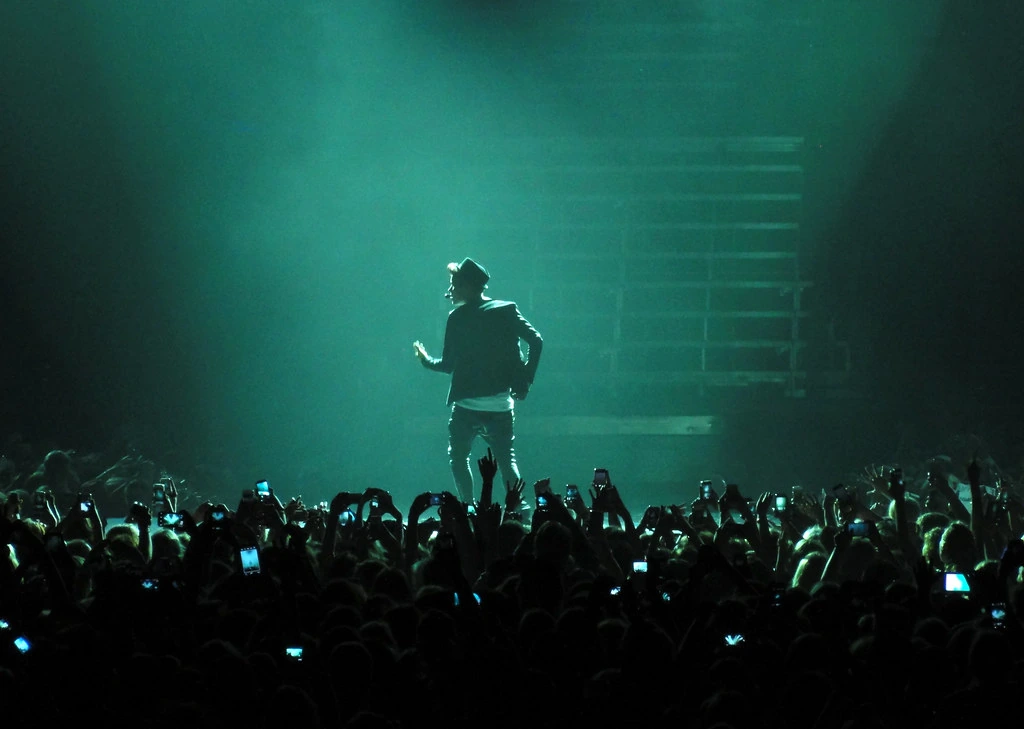
The primary acts include:
• Sabrina Carpenter
• Justin Bieber
• Karol G
• Anyma
These artists represent different audience segments, ensuring coverage across pop, Latin, and electronic audiences.
Supporting High-Impact Performers
Beyond headliners, the lineup includes:
• The XX
• The Strokes
• BIGBANG
• Young Thug
These acts maintain high engagement levels during pre-headliner time slots.
Headliner Scheduling Logic
Headliners typically perform:
• after 11 PM on Friday and Saturday
• after 10 PM on Sunday
This structure maximizes peak attendance and aligns with crowd behavior patterns.
Festival Dates and Weekend Structure
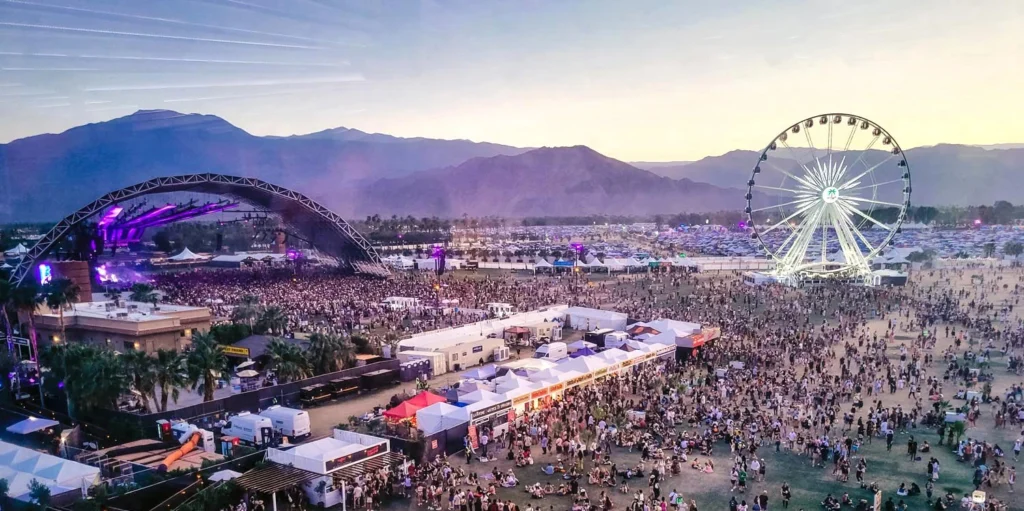
The coachella lineup is split across two identical but slightly varied weekends.
Official Festival Dates
The event runs across two separate intervals:
- April 10–12, 2026
- April 17–19, 2026
Each weekend replicates the full program with minor variations.
Weekend Differences and Variations
Although lineups are mostly identical, differences include:
• exclusive performances (e.g., single-weekend artists)
• guest appearances
• experimental sets or collaborations
For example:
• Sean Paul appears only in Weekend One
• Big Boi performs only in Weekend Two
Impact on Audience Strategy
Attendees choose weekends based on:
• ticket availability
• artist exclusivity
• crowd density expectations
Coachella Schedule and Set Times
The coachella schedule is released shortly before the festival, but its structure follows predictable patterns.
Timing Release Window
Set times are typically published:
• 3–5 days before the event
• with stage-by-stage breakdowns
• including overlaps between performances
Daily Time Distribution
A standard day includes:
• early afternoon opening acts
• mid-evening peak crowd performers
• late-night headline slots
This distribution ensures continuous audience engagement.
Overlap Strategy Between Acts
The schedule intentionally creates conflicts between performances. This forces attendees to:
• prioritize specific artists
• move between stages
• experience partial sets
Full Artist Distribution Across Genres
The coachella lineup is structured to cover a wide spectrum of musical categories.
Electronic and DJ-Focused Acts
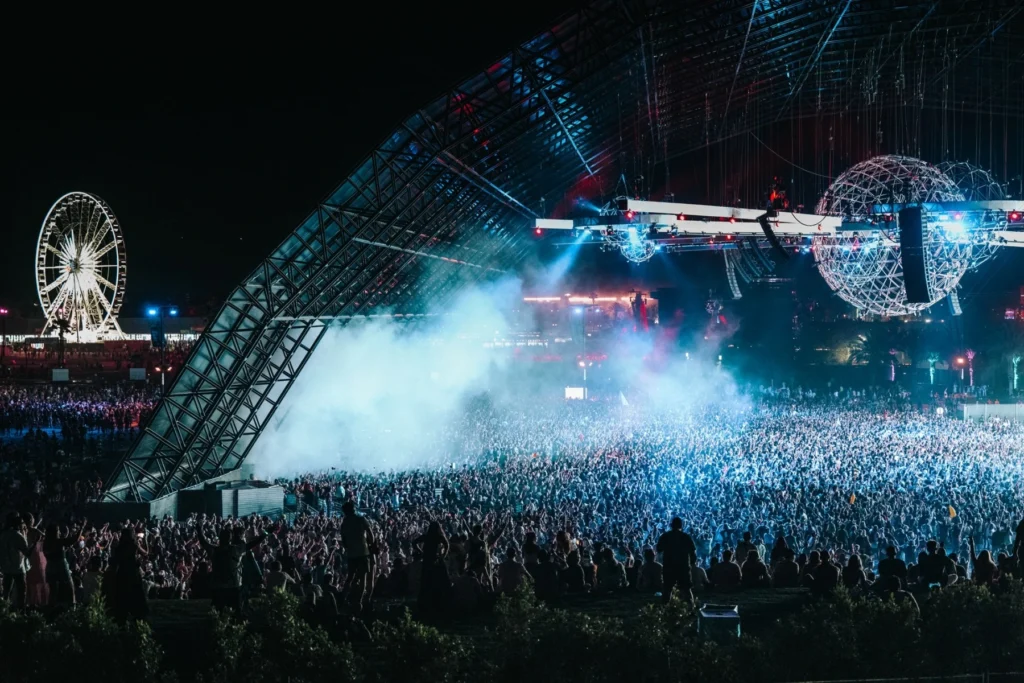
Key electronic performers include:
• Armin van Buuren × Adam Beyer
• Solomun
• REZZ
• Subtronics
These artists dominate late-night and specialized stages.
Indie, Alternative, and Rock Presence
The alternative segment includes:
• Interpol
• Wet Leg
• Turnstile
• The Rapture
These acts maintain the festival’s legacy appeal.
Pop and Global Mainstream Artists
Mainstream representation includes:
• PinkPantheress
• GIVĒON
• Luísa Sonza
• Davido
This segment drives broader international engagement.
Stage System and Spatial Organization
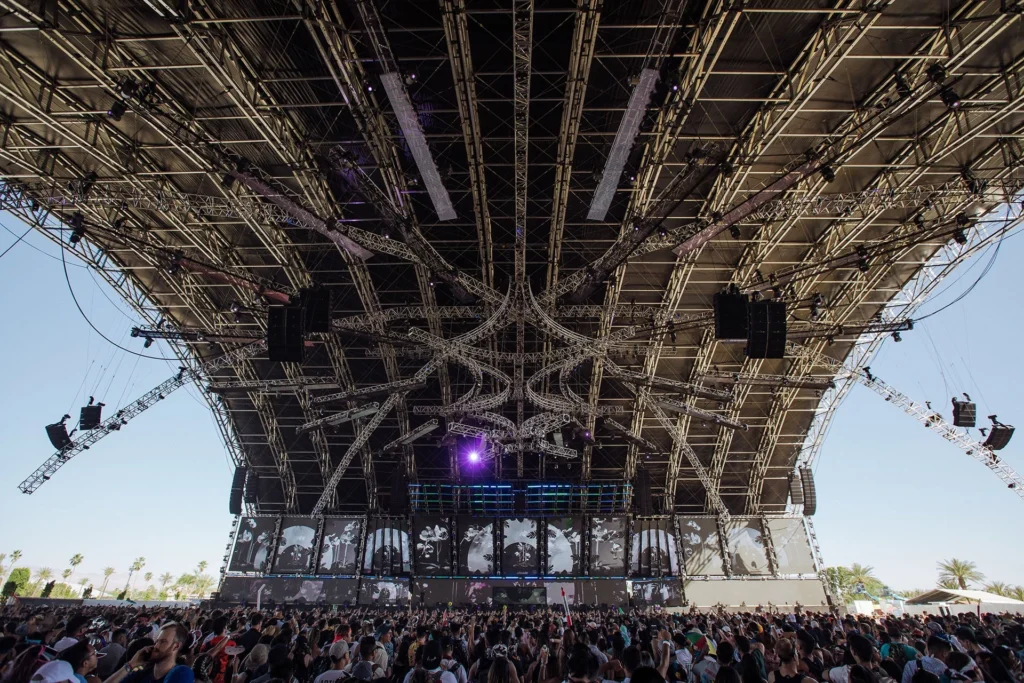
The coachella lineup is not only defined by artists but by how stages distribute performance types.
Major Stages and Their Roles
Primary stages include:
• Main Stage – headliners and large-scale acts
• Outdoor Theater – mid-to-high tier performances
• Sahara Tent – electronic and high-energy shows
Each stage targets specific audience behaviors.
Specialized Stages and Additions
Recent structural updates include:
• Quasar stage for extended DJ sets (3–4 hours)
• expanded Sahara layout
• repositioned Yuma tent
These changes improve crowd flow and reduce congestion.
VIP and Infrastructure Enhancements
VIP zones now include:
• additional bars
• shaded seating areas
• expanded restroom facilities
These improvements affect overall festival experience and movement.
Ticket Pricing and Availability
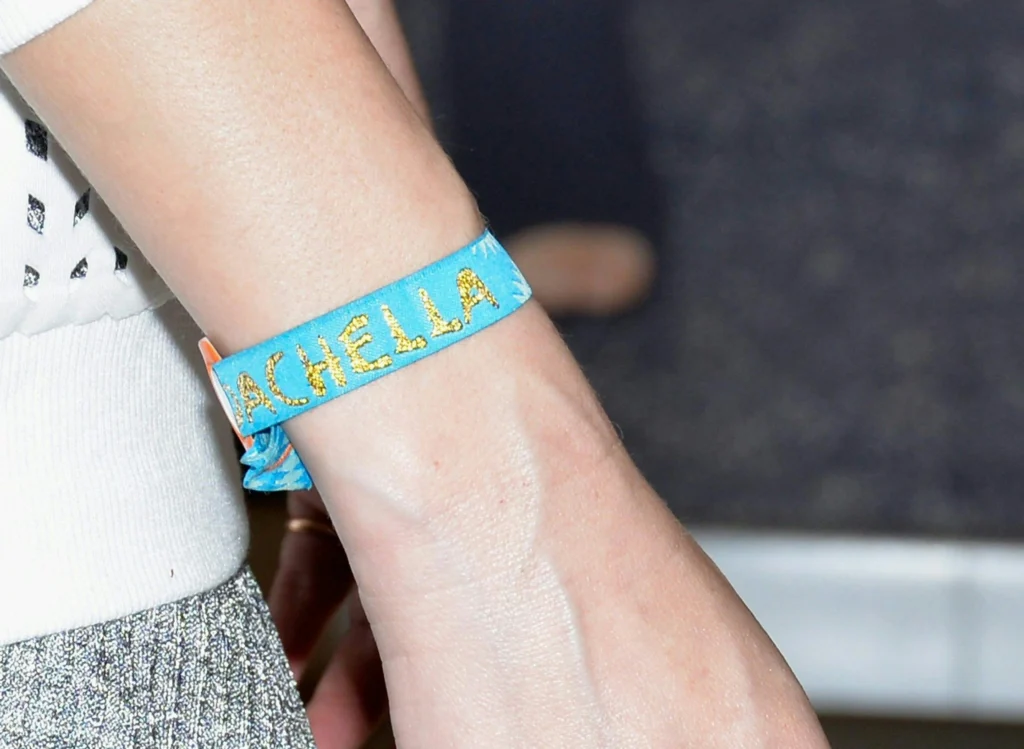
Ticket structure directly reflects demand for the coachella lineup.
Pricing Structure for 2026
General admission pricing includes:
• $649 for Weekend One
• $549 for Weekend Two
The price difference is tied to demand distribution.
Sales Timeline and Access
Tickets were released:
• September 19 at 11 AM (general public)
• September 18 early access for select groups
Early access was available to:
• previous attendees
• American Express cardholders
Current Availability Status
All passes are currently sold out, indicating sustained demand for the coachella lineup.
Secondary Lineups and Stage-Specific Programs
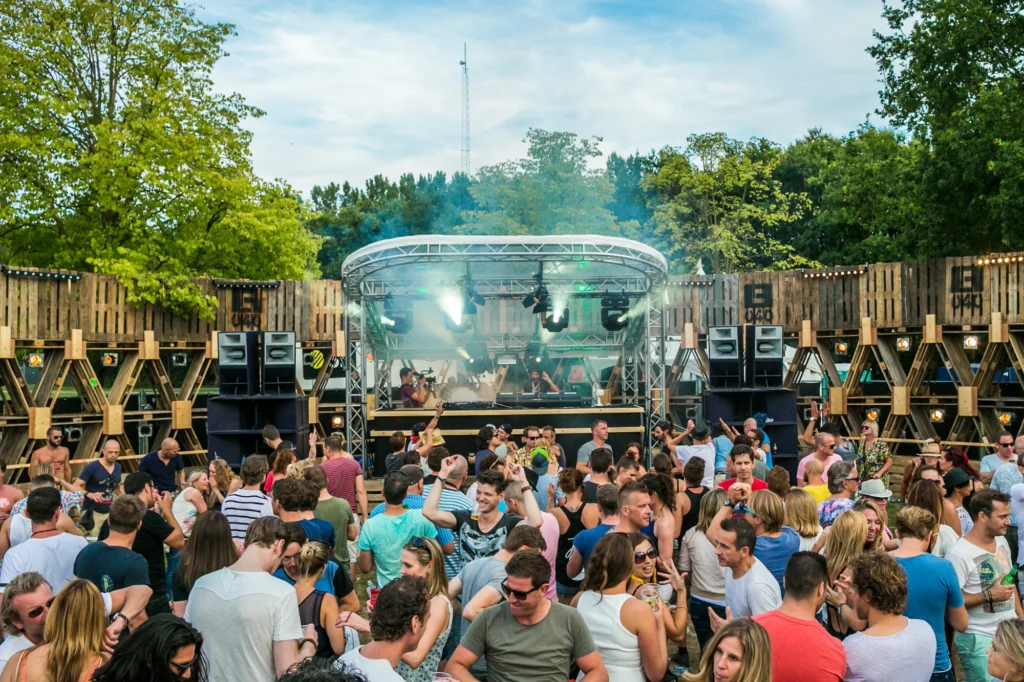
Beyond the main lineup, Coachella includes additional curated programs.
Heineken House Lineup Structure
This stage focuses on:
• crossover hip-hop
• electronic blends
• mid-tier touring artists
Key names include:
• Coi Leray
• Wale
• Robin Schulz
Do LaB Stage Programming
The Do LaB stage operates with a more experimental format.
Weekend 1 includes:
• Andy C
• Whethan
• Tinashe (DJ Set)
Weekend 2 features:
• SBTRKT
• Tourist
• Seth Troxler
Functional Role of Secondary Stages
These stages provide:
• genre diversification
• extended performance time
• space for niche audiences
They reduce pressure on main stages and balance crowd distribution.
The structural complexity of the coachella lineup continues to expand through these layered programming systems, setting up a deeper analysis of how artist selection, scheduling conflicts, and audience behavior interact during the festival itself.
Artist Selection Strategy and Lineup Construction
The coachella lineup is not assembled randomly; it follows a layered selection model that balances commercial reach, cultural relevance, and discovery potential.
Headliner Positioning and Market Influence
Headliners are chosen based on:
• global streaming dominance
• cross-market appeal
• recent release cycles or tours
Artists like Justin Bieber and Karol G extend reach into both North American and international audiences, stabilizing ticket demand across both weekends.
Mid-Tier Artist Function
Mid-tier performers serve as structural connectors between early acts and headliners. Their role includes:
• maintaining audience density across stages
• attracting niche fanbases
• bridging genre transitions
Examples such as Central Cee or PinkPantheress demonstrate how emerging popularity integrates into large-scale festival programming.
Emerging Talent Integration
The lower tiers of the coachella lineup include:
• breakout artists with viral traction
• experimental acts
• region-specific performers entering global circuits
This layer ensures continuous renewal of the festival’s identity.
Weekend 2 Lineup Dynamics and Audience Behavior
The coachella weekend 2 lineup operates under slightly different behavioral conditions compared to the first weekend.
Attendance Patterns and Demand Shift
Weekend Two typically sees:
• more informed audience decisions
• adjusted schedules based on Weekend One feedback
• slightly lower ticket pricing
This creates a different crowd dynamic with more targeted artist selection.
Performance Variability Between Weekends
Despite similar lineups, differences include:
• improved or adjusted performances
• guest appearances
• technical refinements
Artists often modify sets after initial audience response.
Exclusive Artist Allocation
Specific acts are limited to one weekend, reinforcing demand across both dates. This strategy prevents audience concentration in a single time frame.
Coachella Schedule Optimization and Crowd Flow
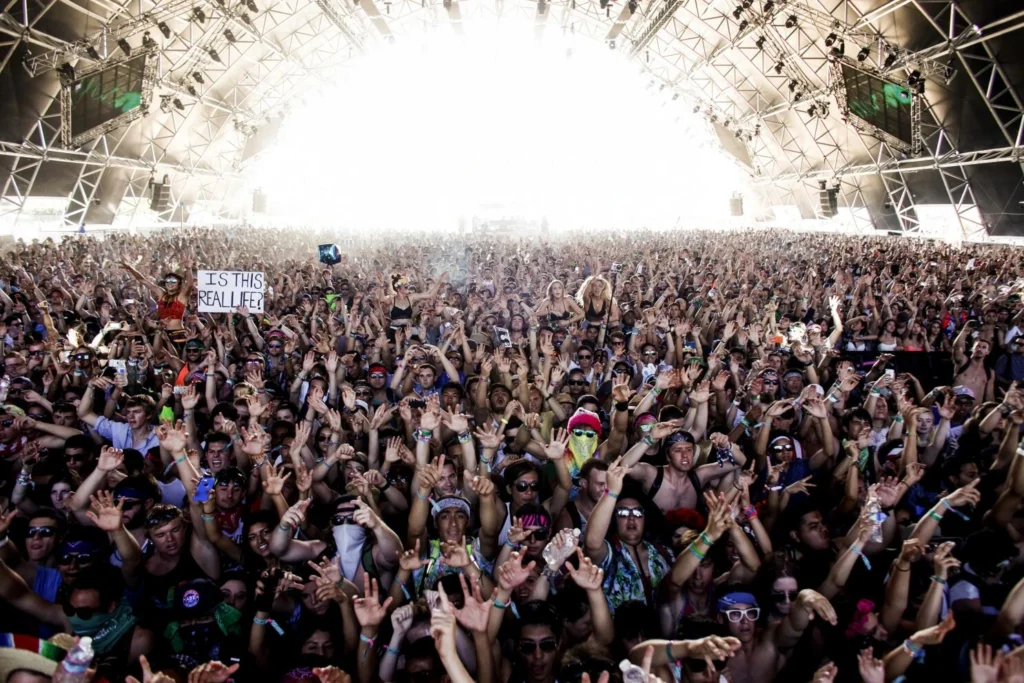
The coachella schedule is engineered to manage large-scale crowd movement across multiple stages.
Stage Conflict Design
Overlapping performances are intentional. They:
• distribute crowds evenly
• reduce congestion at major stages
• increase movement across the venue
This design ensures no single area becomes overloaded.
Peak Time Distribution
The schedule creates three main engagement zones:
- Afternoon discovery phase
- Evening peak density phase
- Night headline phase
Each phase targets different audience priorities.
Movement Between Stages
Audience flow is influenced by:
• distance between stages
• set timing gaps
• artist popularity clusters
This creates a constantly shifting environment rather than static crowd zones.
Technical Production and Sound Engineering
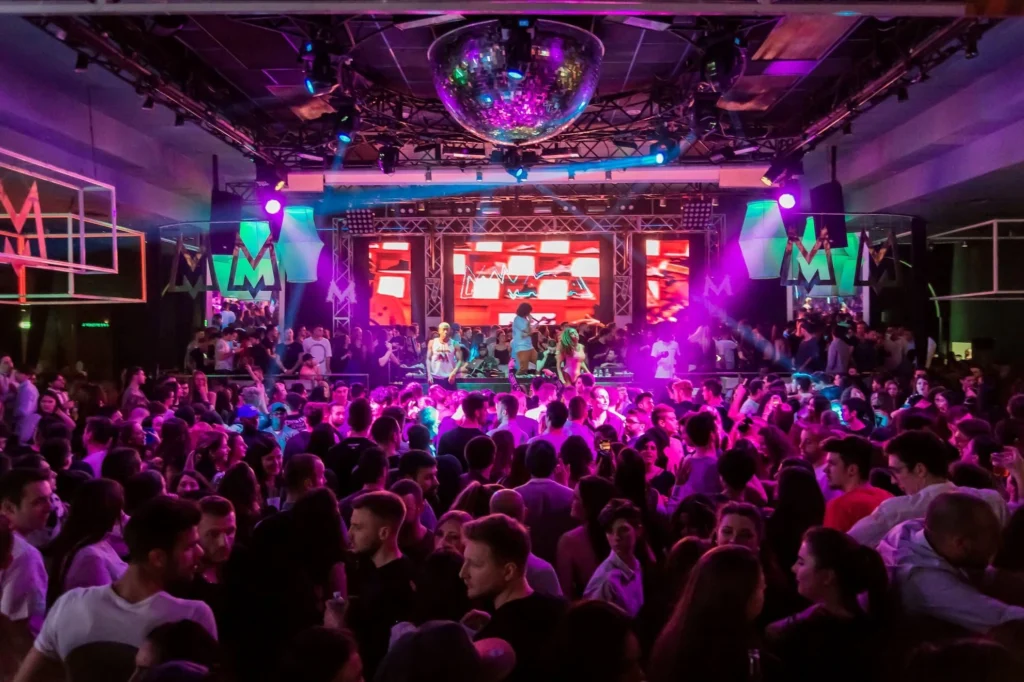
The sound of each performance is tightly controlled within the festival’s technical framework.
Multi-Stage Audio Management
Each stage operates with:
• independent sound systems
• calibrated volume levels
• directional audio control
This prevents interference between nearby performances.
Visual Production Integration
Large-scale acts include:
• synchronized LED systems
• real-time visual effects
• stage-specific lighting design
Production quality directly affects audience retention during sets.
Extended Set Formats
Stages like Quasar allow:
• 3–4 hour DJ performances
• continuous audience engagement
• deeper musical progression
This format contrasts with traditional 45–60 minute sets.
Comparative Analysis with Coachella Lineup 2025
The coachella lineup 2025 established patterns that continue into 2026 with structural refinements.
Evolution of Genre Distribution
Compared to 2025, the 2026 lineup shows:
• increased electronic music presence
• stronger global artist integration
• reduced reliance on legacy-only headliners
This reflects broader shifts in listener behavior.
Infrastructure Adjustments
Changes since previous editions include:
• expanded Sahara stage relocation
• adjusted Yuma positioning
• introduction of new open-air stages
These updates improve logistical efficiency.
Pricing and Demand Trends
Ticket pricing continues to scale with:
• artist booking costs
• production expansion
• increased demand
Weekend pricing differentiation remains a consistent strategy.
Strategic Planning for Attendees
Navigating the coachella lineup requires structured planning rather than spontaneous decision-making.
Priority Mapping Before Arrival
Attendees typically:
- identify must-see artists
- analyze stage locations
- prepare backup options for overlaps
This reduces time lost during transitions.
Time Management During the Festival
Effective strategies include:
• early arrival for high-demand sets
• flexible movement between stages
• avoiding peak congestion windows
Adapting to Schedule Conflicts
Because overlaps are unavoidable, attendees must:
• accept partial set attendance
• prioritize unique performances
• adjust plans in real time
Structural Breakdown of Lineup Components
| Component | Mechanism | Impact on Experience |
| Headliners | Late-night peak performances | Drive maximum attendance |
| Mid-tier artists | Transitional time slots | Maintain engagement flow |
| Emerging acts | Early-day performances | Introduce new artists |
| Weekend variation | Exclusive appearances | Balance attendance |
| Stage distribution | Genre-based separation | Reduce crowd overlap |
| Schedule conflicts | Overlapping set times | Force audience choice |
| Technical production | Advanced sound and visuals | Enhance immersion |
| Secondary stages | Niche programming | Expand genre coverage |
Final Perspective on Coachella Lineup Structure
The coachella lineup functions as a coordinated system where artist selection, scheduling, and spatial design operate together. Each element influences how audiences move, what they experience, and how the festival maintains balance across large-scale attendance.
Rather than acting as a simple list of performers, the lineup becomes a dynamic framework that adapts to audience behavior, industry trends, and logistical constraints. The interaction between headline demand, stage engineering, and schedule design defines the overall structure of the event, shaping how each attendee constructs a unique version of the same festival.